- All Posts
- Uncategorized
As winter arrives and agricultural operations slow down, it is the perfect time to focus on maintaining your agricultural drone. Proper maintenance during downtime ensures that your equipment will be ready for maximum performance when spring comes. From cleaning and inspecting structural parts to checking the operating condition, winter maintenance is essential to extend the life of the drone and keep it in optimal condition. Here is a guide to the maintenance of the agricultural drone this winter.
Clean the outside thoroughly
After a period of active season with spraying and scattering, chemical residues, dirt and debris can accumulate on the drone. Use a soft, damp cloth to wipe the outside, paying attention to the propeller, motors and nozzles. For stubborn dirt, use soapy water, but make sure that no moisture gets into the electrical components.
Inspect and clean the spraying system
If your drone is used to spray pesticides or fertilizers, clean the tanks, nozzles and hoses to remove any chemical residue. The remaining substances can corrode the components or clog the system, causing performance problems. Wash the system with clean water or a cleaning solution recommended by the manufacturer.
Remove debris from the propeller
The propellers are essential for stable drone flight. Check and remove any dust, mud or plant debris. Even minor obstructions can affect balance and efficiency. Replace damaged or worn propellers to maintain optimum performance.
Examine the frame for cracks or damage
The drone frame supports the entire structure and operation. Check it for cracks, bending or other signs of wear. Although aeronautical quality aluminum or carbon fiber frames are durable, it is necessary to periodically inspect them to prevent problems during flights.
Check the landing gear
Landing equipment often withstands considerable stress during operations. Make sure it is intact, resistant and without cracks or loose components. Replace worn parts to avoid landing accidents.
Inspect the fixes and connections
Collect any loose bolts, washers or connectors. Weakened components can lead to in-flight instability and cause accidents.
Check the health of the battery
Batteries are one of the most important components of a drone. Check them for swelling, leaking or corrosion. Store the batteries in a cool, dry place and keep them charged at about 50% if you do not use them for a long time. Charge and download them periodically to maintain their service life.
Test the engines
Run your engines to check for unusual sounds, vibrations or any inconsistencies in performance.
Calibrate sensors and flight control system
Winter is an excellent time to recalibrate sensors, including GPS, IMU and altimeter, to ensure precise operation. Firmware updates for the drone and flight control system should also be made to keep up with the latest improvements and bug fixes.
Choose a safe storage environment
Store the drone in a dry, temperature-controlled place. Extreme cold can damage batteries and other sensitive components.
Protect electronic components
Make sure that the electronic parts of the drone are free of moisture before storing it.
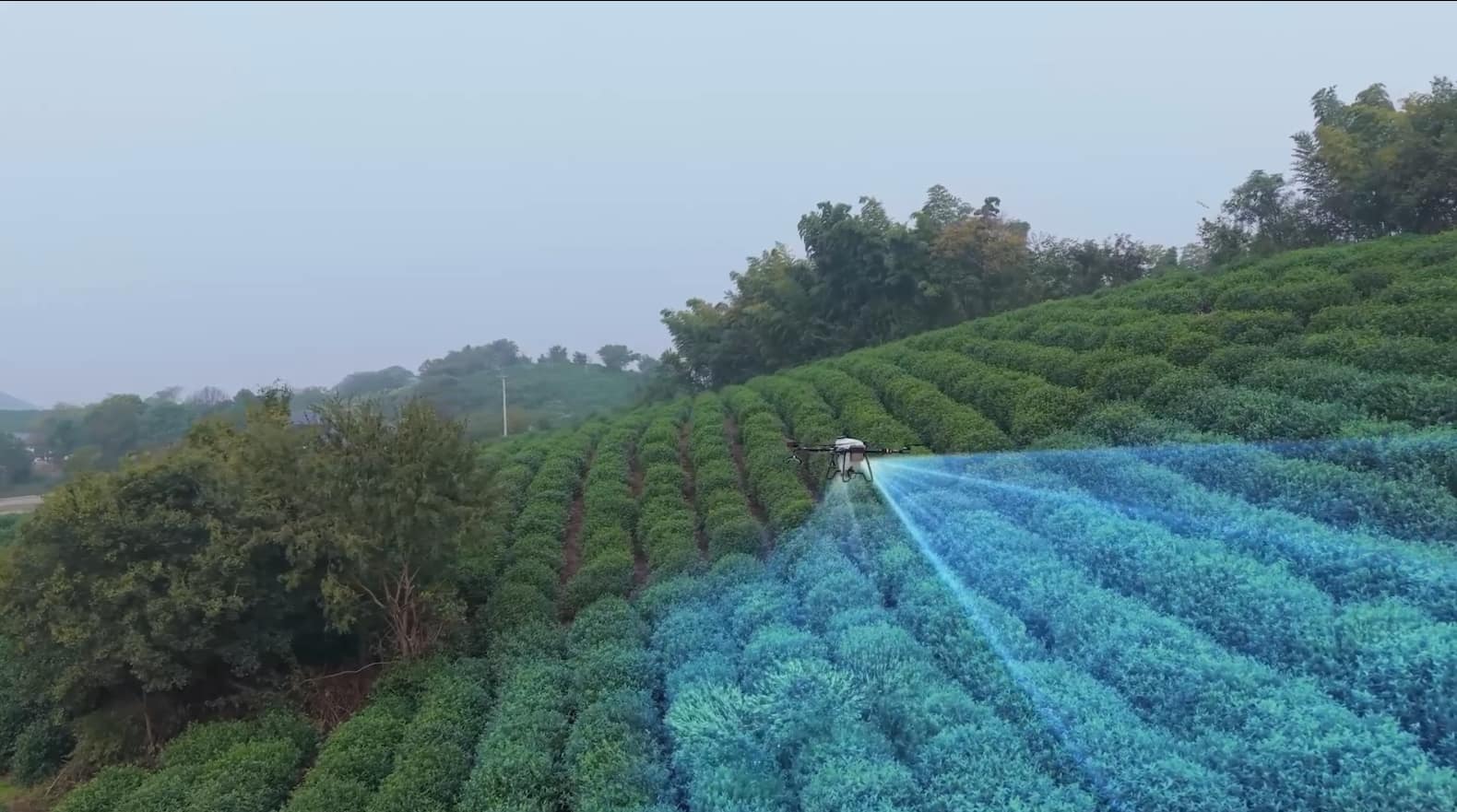
Agriculture has always been an industry that requires a lot of manual work, involving long hours of work for crop maintenance, pest control and ensuring healthy harvests. Traditionally, tasks such as spraying pesticides or fertilizers required significant effort on the part of people, often involving long hours under the sun and high labor costs. But with the advent of drone technology, this picture is changing. Topxgun agricultural drones have the role of transforming agriculture from manual labor to drone precision, making agriculture more efficient and effective than ever.
For many years, farmers have relied on manual labor to manage their crops. This often meant spraying pesticides or fertilizers manually, using large sprayers that covered only small areas in a single application. Although effective, this way of working had several challenges:
With the introduction of Topxgun FP series agricultural drones, these challenges are addressed directly. Farmers can now reduce manual labor, while improving accuracy and coverage in the management of their crops.
An example is a wheat farmer who used to rely on traditional methods. He spent days manually managing large sections of his fields — a process that was not only time consuming but left room for human error. Inconsistent spraying led to excessive treatments in some areas and omissions in others, resulting in unequal crop health. After the farmer switched to FP600, the benefits were immediate:
The transition from manual work to drone precision is in full swing, and Topxgun is at the forefront of this change. Our drones, such as the FP600 and FP500, are designed with farmers in mind, providing solutions that not only save time and money, but also improve overall productivity and efficiency. As drone technology continues to evolve, it is clear that the future of agriculture is in the heavens.
Agricultural drone technology has transformed the way farmers approach crop management, and for many of them, it has become a key tool for increasing income and improving efficiency. A long-time user of Topxgun drones shared how drone spraying significantly contributed to its gains, with an impressive annual income exceeding RMB 100,000 from crop protection services alone.
Constant income with air spraying services
„The income from crop spraying is quite substantial”, explained the user. „Although it requires early morning and long days, it is rewarding.” Using the 2019 Topxgun T410, followed by the F12, F16 and FP series, the farmer found Topxgun products reliable and durable.
„The quality of the products is solid, easy to use, and the orders are simple”, added the farmer. Over the past six months, they have been working on spraying 10,000 to 20,000 mu (about 1,650 to 3,300 acres) of land, earning 8 RMB per mu. The main tasks were grass control and pest management for rice and wheat crops.
Moving from low-wage jobs to aerial spraying
Before adopting drone technology, the user worked in low-wage jobs in the agricultural business. „The salary was small and it was not satisfactory”, they said. The return to agriculture and the use of drones for spraying provided them with a reliable source of income.
„I usually use the small drone for pesticide spraying because it results less drift, which is especially important when applying herbicides”, the farmer noted. Small drones fly lower, reducing the risk of crop damage and ensuring effective spraying. „When spraying at low altitude, there is less damage to crops, especially during the rice flowering period, when the plants are fragile.”
Custom solutions for different tasks
The farmer explained that larger drones are better suited for spreading fertilizer, while smaller drones are ideal for spraying pesticides. „Big drones cover more ground quickly, but small drones are more accurate when spraying pesticides. They do not cause damage or do not knock down crops, which can lead to lower yield.”
As drone technology becomes more advanced and accessible, it is clear that both large and small drones are essential tools for modern farmers. „For us, having both large and small drones, is the best solution”, concluded the farmer.
Increasing efficiency and revenue with Topxgun drones
For this user of Topxgun drones, the decision to invest in drone technology not only increased revenue, but also brought greater efficiency in agricultural operations. As drones continue to revolutionize agriculture, farmers like this demonstrate how technology can pave the way for larger harvests, reduced labor and more profitable farming practices.
If you are looking for reliable and efficient agricultural drones, Topxgun offers a range of models tailored to your agricultural needs. Whether you need precision spraying or large-scale spread of fertilizers, the Topxgun FP series offers the technology and durability you can rely on to grow your business.